
Origin and history
Spanish explorers and settlers brought horses to Florida beginning in the 1500s. Their descendants became the working mounts of Florida cattlemen, called “crackers,” a name often linked to the crack of their whips. The breed declined sharply in the 20th century and is now conserved by dedicated breeders.
Typical height
Generally about 13.2 to 15 hands (about 137–152 cm).
Distinguishing characteristics
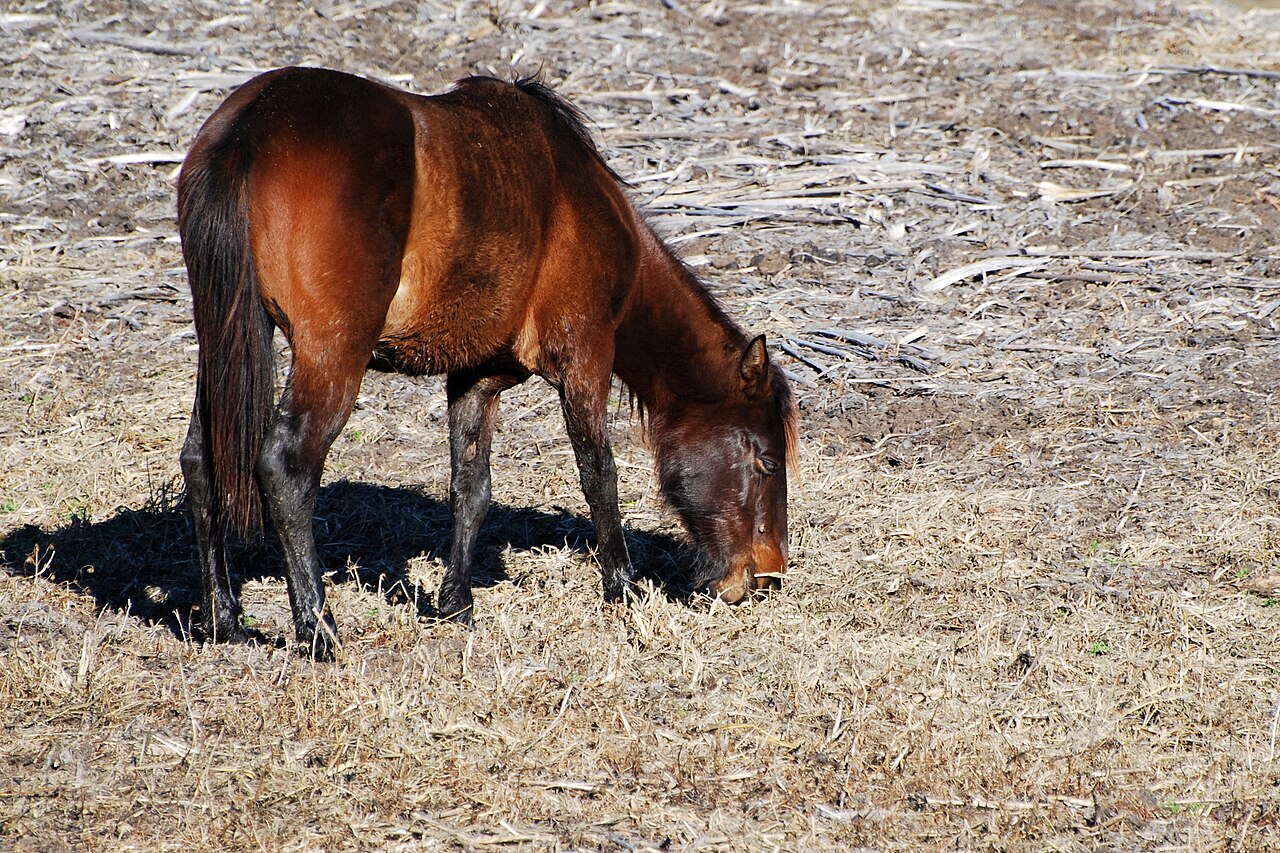
A small, lightly built horse with a short back and quick, agile movement; many perform smooth intermediate gaits.
Coat colors and patterns
Most solid colors, including bay, black, grey, dun and chestnut.
Common uses and disciplines
Ranch work, Trail
Temperament
Valued by ranchers for being hardy, quick-thinking and steady at work. Individual horses vary.
Did you know?
- Florida designated the Cracker Horse its state heritage horse in 2008.
- The Livestock Conservancy lists the breed as a heritage breed in need of conservation.
Sources
- Florida Cracker Horse Association — FCHA
- Heritage Breeds List — The Livestock Conservancy
By National Horse Co. Editorial Team · Reviewed 2026-10-03